.png)

.png)
Modeling is as intriguing as it is aspirational, but many wonder if their physique meets industry expectations. While criteria were once strict and rigid, the landscape has shifted, and inclusivity is gaining ground. However, certain requirements remain essential depending on the field. Measurements, height, age… What are the real criteria for becoming a model today?
At what age can you become a model?
Age plays a role, but it is not a barrier. Everything depends on the type of modeling you want to pursue. Fashion and high-fashion models often start young, sometimes as early as 14 or 16, as major agencies look to shape talent early in their careers. However, commercial or advertising modeling, which represents a wider diversity of profiles, is accessible at any age. In recent years, a new trend has emerged: senior models are gaining ground. After 50, it is entirely possible to break into advertising and fashion, provided you have a well-groomed appearance and a certain charisma in front of the camera.
Weight and measurements in modeling: are they still relevant?
Long at the center of debate, standards for weight and measurements are gradually evolving. While it is true that high fashion still demands slender silhouettes, with measurements around 34-24-34 inches for women, other sectors of the modeling industry now offer more diversity.
The commercial modelingsector, which encompasses several specialties such as e-commerce modeling, does not rely on strict measurements. The goal is primarily to represent a variety of profiles that are closer to the average consumer. In this field, agencies look for expressive faces, harmonious bodies, and comfort in front of the camera, far more than specific measurements.
Plus-size models, meanwhile, meet a growing demand from brands committed to inclusivity. This segment generally includes sizes ranging from 10 to 24, with models who embrace their curves and showcase fashion for all body types.
.png)
What is the minimum height to be a female model?
The question of height often comes up, especially for female models, as it has long been an essential selection criterion in certain categories. In high fashion, standards remain demanding: women must be between 5'8" and 5'11", so that clothes drape harmoniously and to facilitate runway shows and editorial shoots.
However, these requirements do not apply to all areas of modeling. Commercial and advertising modeling, for example, is much more flexible, and brands are increasingly looking for a diversity of profiles. For these types of modeling, it is not necessary to meet a minimum height for female modelsFurthermore, beauty modeling, which focuses on cosmetic campaigns, does not require a tall stature: facial features, skin radiance, and photogenicity are what matter most.
Today, some agencies and talent managers are even starting to recruit so-called "petite" models, between 5'3" and 5'7", for brands looking to break traditional molds. In short, the height required to be a female model depends largely on the sector you wish to work in.
What is the height requirement for male models?
For male models, the requirements are also specific, but they vary depending on the type of modeling. In high fashion and runway shows, men generally need to be between 6'0" and 6'3", to fit the standards of the clothing and runway sets. This height allows for a better presentation of fashion collections and greater visual harmony during events.
However, just as with women, the criteria for becoming a male model are more flexible in other areas. E-commerce and commercial modeling do not impose such strict minimum height requirements, as the goal is to reflect the diversity of consumer profiles. A shorter male model could certainly be sought after to represent certain brands.
.png)
Beyond looks: essential qualities for success
While physical appearance is a central element of the job, it is not enough. Modeling requires much more than just a figure or a pretty face: it is a real profession where professionalism and discipline are essential.
Having well-cared-for skin, healthy hair, and an elegant posture are major assets. But it is above all the attitude that makes the difference: a good model knows how to adapt to client expectations, express themselves, and convey emotion through a simple pose or look.
Endurance is also a key criterion. Shoots can last for hours, and a model must be able to maintain consistent energy and follow the photographer's directions without tiring.
Finally, strong interpersonal skills are a significant asset. In an industry where collaboration is constant, knowing how to interact with teams and understand brand expectations is a real plus.
A profession opening up to more diversity
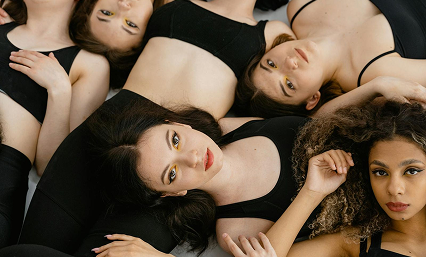
The era when only one type of model was accepted is coming to an end. Brands and agencies are realizing the importance of representing a plurality of body types, ages, and profiles.
At Opale, we champion a more inclusive vision of modeling, where every talent has a place, whether they fit classic standards or not.
The key to success? Finding the field or niche that suits you and showcasing yourself with confidence.
So, why not take your chance?
.png)
.png)
.png)